
Did You Know?
Nearly 90% of persistent bad breath cases originate inside the mouth rather than the stomach, despite the widespread belief that digestive issues are the primary cause.
Introduction: More Than Just an Unpleasant Smell
Bad breath, medically known as halitosis, is one of the most common oral health concerns worldwide. While many people assume it is simply the result of eating garlic or forgetting to brush their teeth, persistent bad breath often signals deeper issues occurring inside the mouth or elsewhere in the body.
Beyond the social embarrassment it can cause, chronic bad breath may affect self-confidence, relationships, workplace interactions, and overall quality of life. In some cases, it can even serve as an early warning sign of underlying dental or medical conditions that require attention.
Understanding what causes bad breath is the first step toward finding an effective solution. From oral hygiene habits and dietary choices to sinus problems and systemic diseases, numerous factors can contribute to unpleasant breath odor.
In this comprehensive guide, we’ll explore the science behind halitosis, uncover its most common and surprising causes, discuss prevention strategies, and explain when professional help may be necessary.
What Exactly is Bad Breath?
Bad breath occurs when unpleasant odors are released through the mouth during breathing or speaking. These odors are typically produced by bacteria that break down food particles, dead cells, and proteins inside the mouth.
Everyone experiences bad breath occasionally. Temporary episodes may occur after eating certain foods, waking up in the morning, or going several hours without brushing. However, persistent halitosis continues despite routine oral hygiene and often indicates an underlying issue.
The odor associated with bad breath is usually caused by volatile sulfur compounds (VSCs), which are produced when bacteria digest proteins and release sulfur-containing gases.
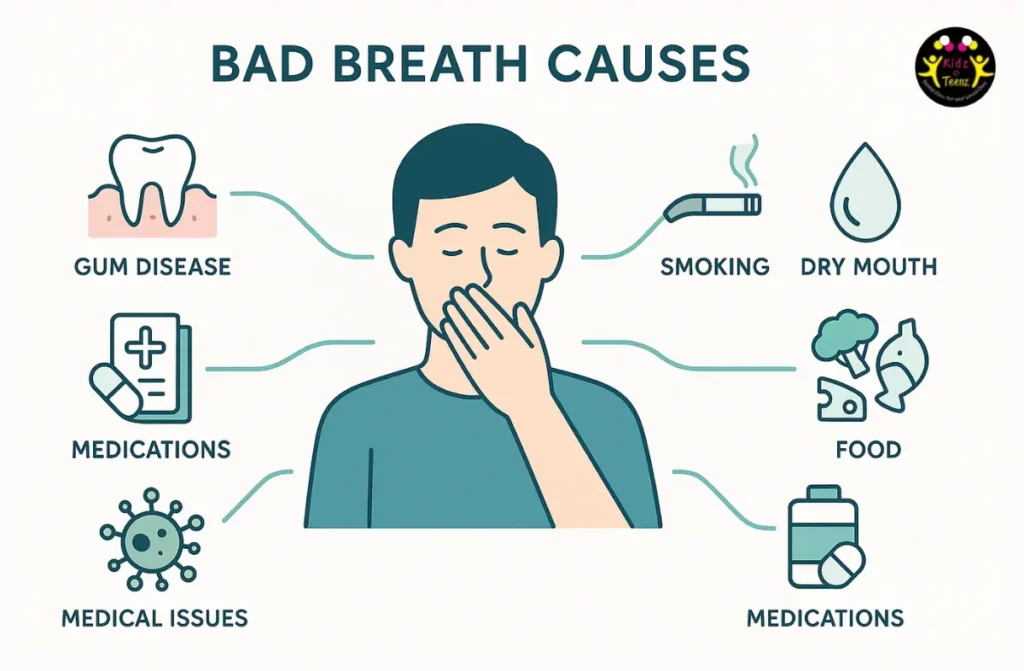
The Science Behind Morning Breath
Almost everyone wakes up with less-than-fresh breath. This common phenomenon occurs because saliva production naturally decreases during sleep.
Saliva plays a crucial role in cleansing the mouth by:
- Washing away food particles
- Neutralizing acids
- Controlling bacterial growth
- Maintaining a healthy oral environment
During sleep:
- Saliva flow slows significantly
- Bacteria multiply more rapidly
- Dead cells accumulate
- Sulfur compounds build up
Fortunately, morning breath is usually temporary and improves after brushing, flossing, drinking water, and eating breakfast.
The Mouth: Where Most Cases Begin
Research suggests that approximately 80–90% of bad breath cases originate within the mouth itself.
The oral cavity contains hundreds of bacterial species. While many are beneficial, some bacteria thrive in oxygen-poor areas such as:
- Between teeth
- Under the gum line
- On the tongue’s surface
- Around dental restorations
When these bacteria break down proteins, they release foul-smelling sulfur compounds responsible for chronic halitosis.
Maintaining a healthy oral environment remains the most effective defense against persistent bad breath.
Poor Oral Hygiene: The Most Common Culprit
One of the leading causes of bad breath is inadequate oral hygiene.
When brushing and flossing are neglected:
- Food particles remain trapped between teeth
- Plaque accumulates on tooth surfaces
- Bacteria multiply rapidly
- Inflammation develops within the gums
Over time, these conditions create an ideal environment for odor-producing bacteria.
Common oral hygiene mistakes include:
- Brushing less than twice daily
- Skipping flossing
- Using an old toothbrush
- Ignoring tongue cleaning
- Missing regular dental cleanings
Even small improvements in daily oral care can dramatically improve breath freshness.
Tongue Coating: The Hidden Source Many People Miss
While teeth often receive most of our attention, the tongue is frequently the primary source of bad breath.
The tongue’s rough surface contains countless tiny grooves and crevices where:
- Food debris accumulates
- Dead cells collect
- Bacteria flourish
A visible white or yellow coating often indicates bacterial buildup.
Benefits of tongue cleaning include:
- Reduced sulfur-producing bacteria
- Improved breath freshness
- Enhanced taste perception
- Better overall oral hygiene
Using a tongue scraper or toothbrush daily can significantly reduce odor-causing bacteria.
Gum Disease and Bad Breath
Persistent bad breath is one of the earliest warning signs of gum disease.
Gingivitis, the earliest stage of gum disease, occurs when plaque irritates the gums and causes inflammation.
Symptoms may include:
- Red gums
- Swelling
- Bleeding during brushing
- Tenderness
- Persistent bad breath
If untreated, gingivitis may progress to periodontitis, a more severe infection that damages supporting structures around the teeth.
As periodontal pockets deepen, bacteria accumulate below the gum line, creating strong, persistent odors that brushing alone cannot eliminate.
Dry Mouth: When Saliva Can’t Do Its Job
Saliva serves as the mouth’s natural cleansing system. When saliva production decreases, bad breath often follows.
Common causes of dry mouth include:
- Dehydration
- Certain medications
- Aging
- Mouth breathing
- Smoking
- Autoimmune disorders
Without adequate saliva:
- Bacteria multiply more easily
- Food debris remains longer
- Sulfur compounds increase
Staying hydrated and addressing underlying causes of dry mouth can significantly improve breath quality.
Foods That Leave a Lasting Impression
Some foods are notorious for causing bad breath.
Common offenders include:
- Garlic
- Onions
- Curry spices
- Certain fish
- Strong cheeses
Unlike bacterial bad breath, food-related odors often enter the bloodstream after digestion and are released through the lungs.
This explains why brushing sometimes fails to eliminate garlic breath completely.
Fortunately, these odors are usually temporary and disappear once the food compounds leave the body.
Dieting, Fasting, and Low-Carb Eating
Many people are surprised to learn that weight-loss diets can affect breath odor.
Low-carbohydrate diets may trigger ketosis, a metabolic state in which the body burns fat for fuel.
Ketosis produces ketones that can create a breath odor often described as:
- Fruity
- Sweet
- Metallic
- Acetone-like
Similarly, prolonged fasting can increase bacterial activity and reduce saliva flow, contributing to bad breath.
Smoking and Tobacco Use
Tobacco products contribute to bad breath in several ways.
Smoking:
- Leaves odor-producing chemicals in the mouth
- Reduces saliva production
- Increases plaque buildup
- Raises the risk of gum disease
- Delays healing of oral tissues
Long-term smokers often experience chronic halitosis due to a combination of these effects.
Quitting tobacco can significantly improve breath freshness and overall oral health.
Dental Problems That Can Trigger Bad Breath
Several dental conditions may contribute to persistent halitosis.
These include:
- Tooth decay
- Cavities
- Broken fillings
- Dental abscesses
- Infected teeth
- Poorly fitting dentures
Such conditions provide hiding places for bacteria and food debris, creating ongoing odor production.
When the Nose and Sinuses Are to Blame
Not all bad breath originates in the mouth.
Chronic sinus infections and postnasal drip may contribute to unpleasant breath odors.
Excess mucus can:
- Collect bacteria
- Irritate throat tissues
- Promote bacterial growth
Signs of sinus-related bad breath may include:
- Nasal congestion
- Facial pressure
- Chronic throat clearing
- Thick mucus drainage
Throat Conditions and Tonsil Stones
Tonsil stones, also called tonsilloliths, are small hardened deposits that form within tonsil crevices.
They consist of:
- Food particles
- Bacteria
- Dead cells
- Mucus
Because they contain sulfur-producing bacteria, tonsil stones often create a strong, unpleasant odor.
People with recurring tonsil stones frequently report chronic bad breath despite good oral hygiene.
Digestive Disorders and Breath Odor
Digestive conditions are often blamed for bad breath, although they account for fewer cases than many people assume.
One important exception is acid reflux (GERD).
When stomach contents repeatedly flow back into the esophagus, they may contribute to:
- Sour breath
- Acidic taste
- Chronic throat irritation
While stomach problems can sometimes influence breath odor, most chronic halitosis cases still originate within the oral cavity.
Medical Conditions That May Cause Bad Breath
| Medical Condition | Characteristic Breath Odor | Reason |
|---|---|---|
| Diabetes | Fruity or sweet smell | Ketone production |
| Kidney disease | Ammonia-like odor | Waste buildup |
| Liver disease | Musty odor | Impaired toxin processing |
| Respiratory infections | Foul-smelling breath | Bacterial activity |
| Chronic lung conditions | Persistent unpleasant odor | Infection and inflammation |
Persistent unexplained bad breath should never be ignored, especially when accompanied by other symptoms.
Comparison Table: Temporary vs Chronic Bad Breath
| Feature | Temporary Bad Breath | Chronic Halitosis |
|---|---|---|
| Duration | Hours | Weeks or months |
| Common Cause | Food, morning breath | Gum disease, infection |
| Improves After Brushing | Usually | Often does not |
| Associated Symptoms | Rare | Gum bleeding, dry mouth |
| Medical Evaluation Needed | Usually not | Often recommended |
| Risk of Underlying Disease | Low | Higher |
Stress, Lifestyle, and Unexpected Triggers
Stress affects oral health more than many people realize.
Chronic stress may:
- Cause dry mouth
- Encourage mouth breathing
- Lead to poor oral hygiene habits
- Affect sleep quality
Combined, these factors create an environment where odor-producing bacteria can thrive.
Warning Signs That Bad Breath Needs Medical Attention
Seek professional evaluation if bad breath occurs alongside:
- Bleeding gums
- Loose teeth
- Persistent dry mouth
- Pain while chewing
- Difficulty swallowing
- Chronic sore throat
- White patches in the mouth
- Unexplained weight loss
These symptoms may indicate an underlying condition requiring treatment.
How Dentists Diagnose the Cause of Bad Breath
A dentist may evaluate:
- Oral hygiene practices
- Gum health
- Tongue coating
- Dental restorations
- Cavities
- Saliva production
If no oral cause is identified, referral to a physician or specialist may be recommended.
Effective Ways to Prevent Bad Breath
The most effective prevention strategies include:
Daily Oral Care
- Brush twice daily
- Floss every day
- Clean the tongue
- Replace toothbrushes regularly
Hydration
- Drink plenty of water
- Limit sugary beverages
- Reduce excessive caffeine intake
Healthy Diet
- Eat fiber-rich fruits and vegetables
- Avoid excessive sugary foods
- Maintain balanced nutrition
Professional Dental Care
- Schedule routine dental examinations
- Receive regular professional cleanings
- Address dental problems promptly
Common Bad Breath Remedies: What Works and What Doesn’t
| Remedy | Temporary Relief | Long-Term Solution |
|---|---|---|
| Breath mints | Yes | No |
| Mouthwash | Sometimes | Depends on the cause |
| Sugar-free gum | Yes | Limited |
| Tongue cleaning | Yes | Yes |
| Professional dental cleaning | Yes | Yes |
| Increased hydration | Yes | Often |
| Treating gum disease | Yes | Yes |
The most successful treatment targets the underlying cause rather than simply masking odors.
Top 10 Hidden Causes of Bad Breath
| Hidden Cause | Commonality |
|---|---|
| Tongue coating | Very common |
| Gum disease | Very common |
| Dry mouth | Common |
| Smoking | Common |
| Tonsil stones | Common |
| Sinus infections | Moderate |
| Acid reflux | Moderate |
| Ketosis diets | Moderate |
| Dental abscesses | Less common |
| Medical disorders | Rare but important |
The Emotional Impact of Chronic Bad Breath
Persistent bad breath can affect far more than oral health.
Many individuals experience:
- Social anxiety
- Reduced confidence
- Avoidance of close conversations
- Embarrassment in professional settings
- Increased self-consciousness
Addressing the underlying cause often improves both physical and emotional well-being.
Bad Breath Myth vs Fact
| Myth | Fact |
|---|---|
| Bad breath always comes from the stomach | Most cases of bad breath originate in the mouth. |
| Mouthwash cures bad breath | Mouthwash usually provides only temporary relief and does not address the underlying cause. |
| Brushing alone is enough | Flossing and tongue cleaning are also essential for maintaining fresh breath. |
| Only adults get bad breath | Children can experience bad breath as well. |
Conclusion
Bad breath is often a symptom rather than the problem itself. While temporary breath odor is a normal part of life, persistent halitosis usually points to an identifiable cause that can be treated effectively.
Most cases begin in the mouth and are linked to poor oral hygiene, tongue bacteria, gum disease, dry mouth, or dental problems. However, sinus conditions, tonsil stones, digestive disorders, and certain medical conditions can also contribute.
The good news is that most causes of bad breath are manageable with proper diagnosis, targeted treatment, and consistent oral care habits. By addressing both oral health and overall wellness, individuals can enjoy fresher breath, improved confidence, and better long-term health.
Fresh breath is not simply about masking odors with mints or mouthwash. It begins with understanding what your body is trying to tell you. Whether the cause is poor oral hygiene, gum disease, dry mouth, or an underlying health condition, identifying the source is the key to lasting improvement. Taking proactive steps today can lead to better oral health, greater confidence, and a healthier future.


